


One foundation, one digital ecosystem
The Simons Foundation spans disciplines, research centers, and programs, each with its own audiences and priorities. We brought them together under one website without losing what makes each distinct. A shared information architecture and content taxonomy unites people, publications, projects, funding, and research across the foundation, so visitors can explore the science without needing to understand how the organization is structured.
A digital identity as ambitious as the science
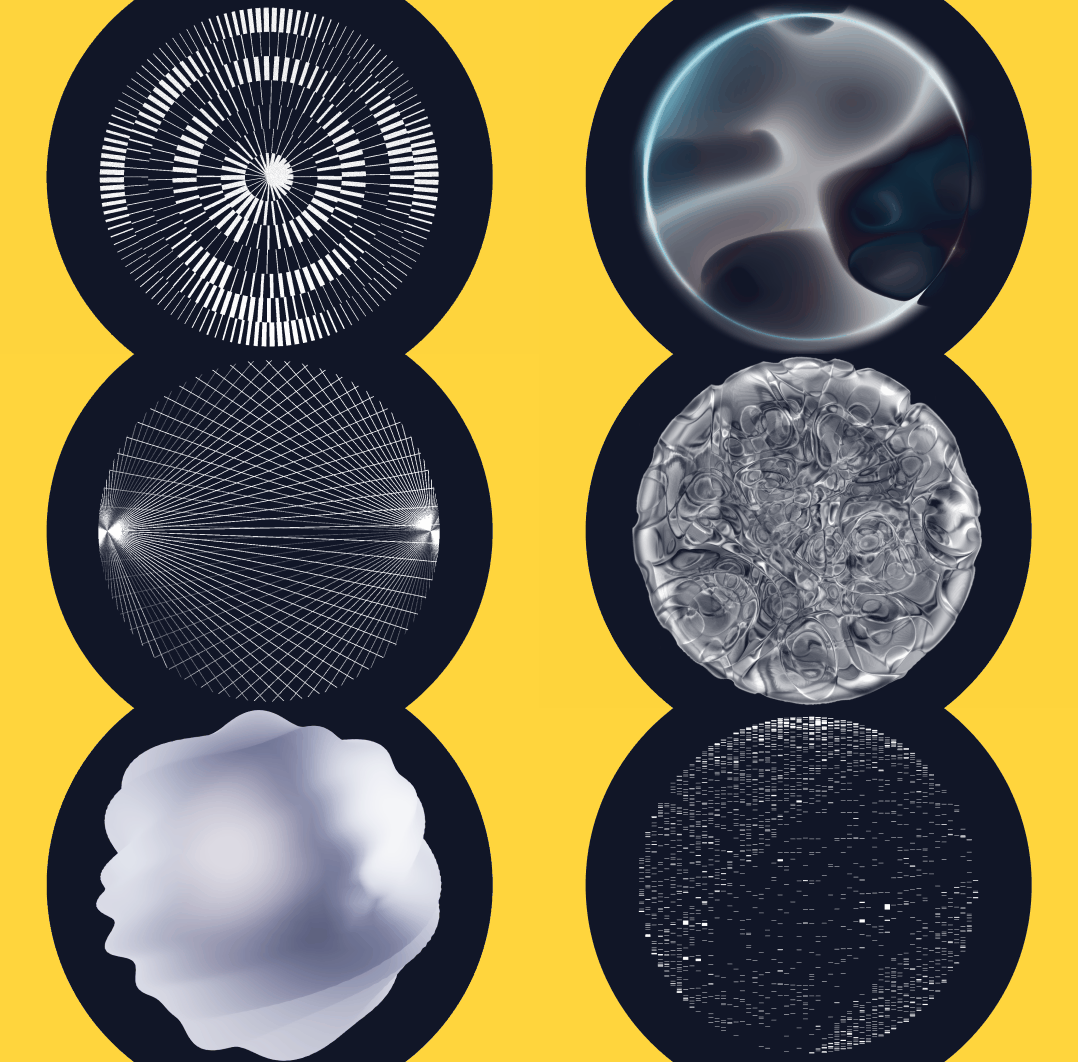
We brought the foundation’s refreshed visual identity to life on the web, pairing bold typography with scientific imagery, motion, and a flexible system of layouts and components. The result feels unmistakably Simons, whether you’re reading a story about black holes, exploring research in computational biology, or looking for a grant.


From finding a page to discovering a connection
With so much research and content spread across the foundation, search needed to do more than return a list of pages. We built an Algolia-powered search experience that helps visitors find people, funding, research, events, and resources in one place. The shared taxonomy connects content across disciplines, and then contextual search and filters help people narrow in on what they need.
I appreciate the transparency and collaborative spirit that the Upstatement team brings. There are easier approaches to take on client projects like this, yet you all make it WORK, like, really really well.
Ariana French Director of Digital Technology, Simons Foundation![A smiling woman looking at the camera.]()

Meet Atlas, a design system you can talk to
Most design systems tell you what components exist. Atlas helps you actually use them. We built an AI-powered assistant into the foundation’s design system, giving editors and developers a new way to work. Atlas answers questions about components and site behavior, helps scaffold pages, and reviews drafts against established patterns. It even works within WordPress, providing guidance in the context of the content someone is editing. Instead of expecting every contributor to become a design system expert, we made the expertise accessible when and where they need it.

We made WordPress work harder
We customized WordPress to meet the needs of a large scientific organization with many teams and content types. Structured content models, reusable blocks, and carefully designed editorial tools make it easier to publish everything from news and researcher profiles to funding opportunities and publications. We also built tools to import scientific publications and sync job listings automatically, reducing the manual work required to keep the site current.
-
20,978Migrated Posts
-
130k+Lines of Code
-
1,069WordPress Fields
-
33Modular Blocks

One connected library
We migrated thousands of posts from previously separate websites into a shared content structure. But this was more than a migration. By relating people, research, publications, and programs through consistent metadata and the common taxonomy, we made it possible for content to appear in relevant places throughout the site. Older research and stories can continue to reach new audiences long after publication.

Built to evolve, not just launch
We designed the platform so the Simons Foundation can keep building on it. The shared design system, structured content, automated integrations, and AI-assisted tools give teams a consistent starting point for new pages, programs, and experiences. As the foundation grows, the website can grow with it, without requiring every new idea to become a custom development project.


